


25 Learning Activities Using Everyday Household Items
25 Learning Activities Using Everyday Household Items
Learning happens everywhere, not just in a classroom. Many of the best educational activities begin with everyday items already sitting around your home. Measuring cups, cardboard boxes, socks, clothespins, and paper towel rolls all become tools for creativity, problem-solving, and hands-on discovery.
Children learn best when they actively participate. By turning ordinary household items into engaging activities, parents encourage curiosity while making preschool learning feel fun instead of structured.
Here are 25 learning activities at home using everyday materials.
1. Sort Socks by Color
Practice color recognition by matching socks into pairs.
Ask your child to find matching colors, compare patterns, and organize socks into groups. This simple activity helps develop early sorting skills while introducing basic organization.
2. Count with Muffin Tins
Place small objects into muffin cups while practicing counting and number recognition.
Children can count buttons, pom-poms, blocks, or other safe household items as they move objects from one section to another.
3. Build with Cardboard Boxes
Turn shipping boxes into castles, vehicles, or tunnels using crayons, stickers, and tape.
Building projects encourage creativity, problem-solving, and imaginative thinking.
A playhouse can provide another opportunity for pretend building and storytelling, giving children a dedicated space where they can create their own imaginary worlds.

4. Create a Measuring Cup Water Station
Practice pouring and comparing different amounts of water using measuring cups and bowls.
This simple activity introduces early math concepts while strengthening hand-eye coordination.
A sensory water table can make water play even more engaging by creating a dedicated space for pouring, scooping, and exploring different materials.

5. Make Letter Cards
Write letters on index cards and ask children to match them with objects around the house.
For example, match the letter "B" with a book or the letter "S" with a spoon.
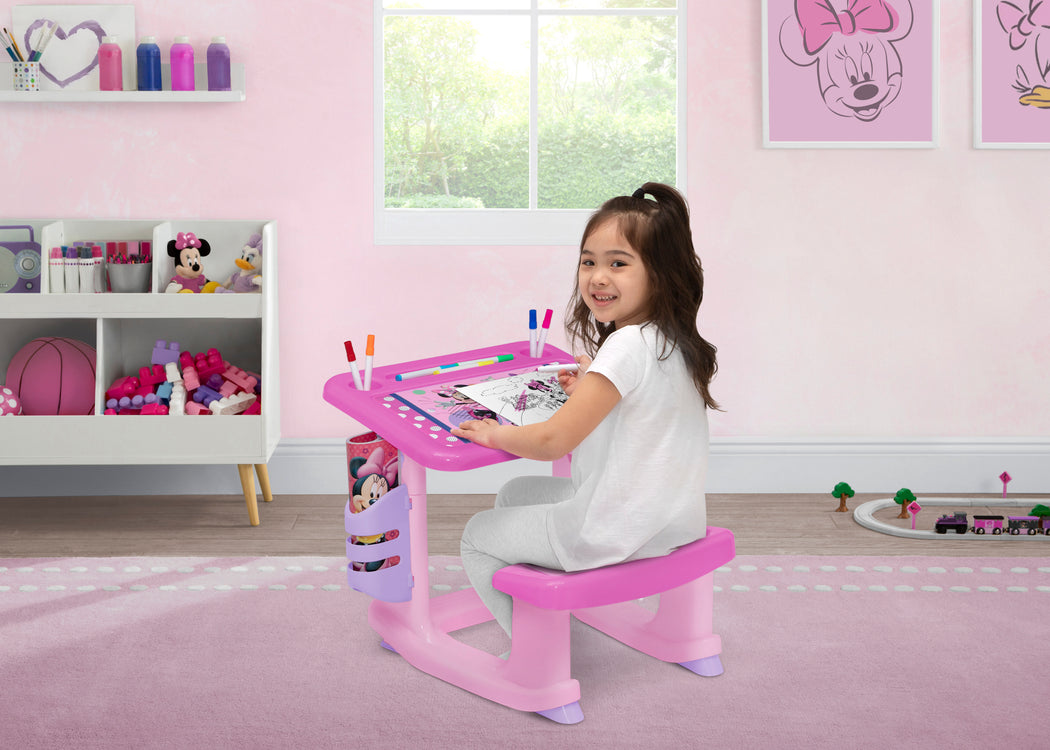
An activity table provides a comfortable space for writing, sorting, and other learning activities.

6. Stack Plastic Cups
Challenge children to build towers while exploring balance and problem-solving.
Ask questions like:
- How tall can you build?
- What happens if you move the bottom cup?
- Which structure is strongest?
These questions encourage critical thinking.
7. Go on a Shape Hunt
Search each room for circles, squares, rectangles, and triangles.
Point out shapes on furniture, toys, windows, and household objects to help children connect learning concepts to their everyday environment.
8. Build with Clothespins
Clip clothespins onto bowls, cardboard, or containers to strengthen hand muscles.
This activity supports fine motor development while encouraging counting and creativity.
9. Sort Kitchen Utensils
Group spoons, spatulas, measuring cups, and other safe kitchen items by size or purpose.
Children practice comparing objects while learning about everyday routines.
10. Create a Coin Matching Game
Sort coins by size, color, or value with adult supervision.
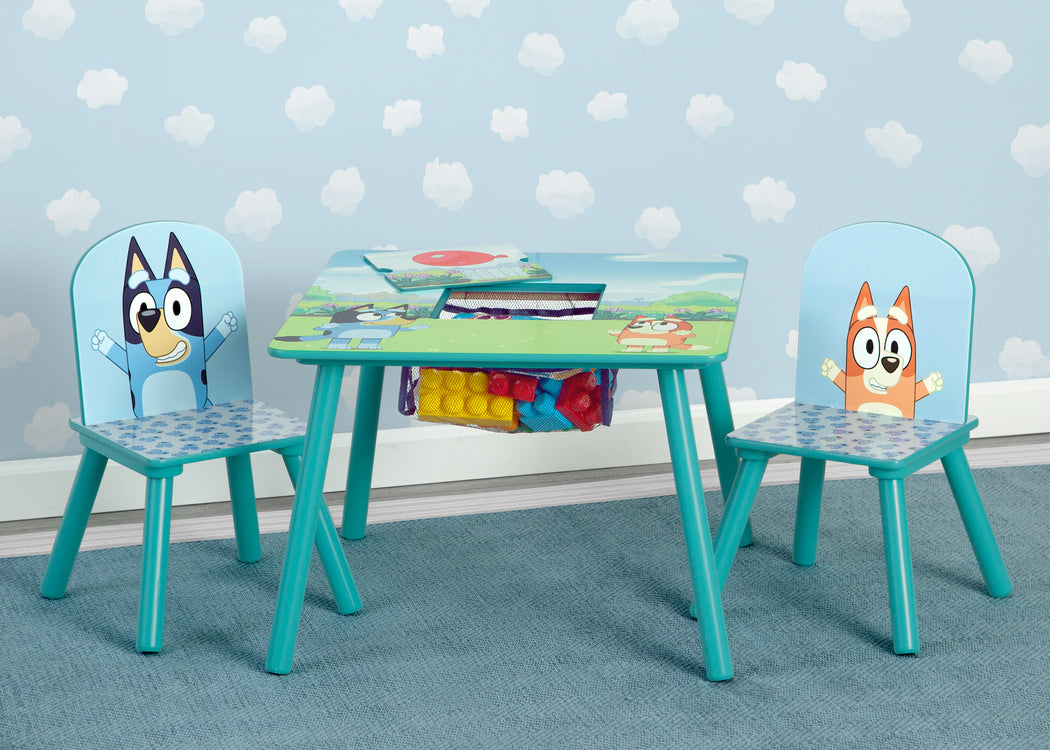
A child-sized table and chair set creates the perfect place for matching games, puzzles, and educational activities.
11. Make a Paper Towel Roll Marble Run
Tape empty tubes to a wall or large box and watch marbles travel through the course.
12. Practice Patterns
Arrange buttons, blocks, or colored paper into repeating patterns.
13. Build an Indoor Mailbox
Decorate a box and deliver handwritten notes around the house.
14. Measure Household Objects
Use string, rulers, or measuring tapes to compare the length of different items.
15. Create Story Stones
Draw simple pictures on smooth stones and use them to invent original stories.
Keep art supplies organized in a nearby toy storage unit so creative activities are always ready to go.
16. Match Lids to Containers
Practice observation by finding the correct lid for each container.
17. Make an Alphabet Scavenger Hunt
Find one household item for every letter your child knows.
18. Build a Bridge
Use books, cardboard, or blocks to build a bridge that supports small toys.
19. Create a Family Graph
Graph favorite fruits, colors, or animals using stickers or drawings.
20. Practice Simple Science
Test which household objects float or sink in a tub of water.
A dedicated toys and play area keeps learning materials together while encouraging children to explore independently.
21. Make a Nature Collection
Bring home leaves, pinecones, or rocks from a walk and sort them by size, color, or texture.
22. Create an Indoor Obstacle Course
Use pillows, tape, cushions, and household items to encourage movement while following directions.
A climbing gym or indoor play structure can add another opportunity for children to practice balance, coordination, and physical problem-solving.

23. Practice Sorting Laundry
Separate clothing by color, size, or family member.
This everyday task teaches organization while helping children feel involved in family routines.
24. Invent a Grocery Store
Use empty food containers to practice counting, sorting, and pretend shopping.
A play kitchen can turn this activity into a more immersive pretend play experience. Children can organize pretend groceries, prepare imaginary meals, and practice everyday routines while building language skills and creativity.

25. Read and Retell a Story
After reading together, encourage your child to describe what happened using their own words or act out the story with toys.
A dollhouse can extend storytelling by giving children a space to recreate scenes, invent characters, and practice communication through pretend play.
Keep favorite books displayed on a child-friendly bookcase so reading becomes part of everyday learning.

Learning does not require expensive supplies or complicated lesson plans. Everyday household items provide endless opportunities for hands-on learning, educational games, and creative exploration. Activities like sorting, building, measuring, and storytelling help children strengthen important skills while keeping learning enjoyable.
With a little imagination, ordinary objects become valuable learning tools that encourage curiosity, confidence, and preschool learning every day.
Comments